

Art Painting Selection Tips: Choosing the Perfect Art Painting for You
There is a quiet magic in the moment when your eyes meet a canvas, and something stirs deep within your soul. It is as if the colors, shapes, and textures whisper secrets meant only for you. Choosing the perfect art painting is not merely a transaction; it is a journey into your own heart, a dance between your emotions and the artist’s vision. Like a gentle river carving its path through stone, the right painting shapes the atmosphere of your space and the rhythm of your days.
Navigating the Heart’s Compass: Art Painting Selection Tips
When I first set out to find a painting that would resonate with me, I realized it was less about style or price and more about connection. Here are some guiding stars I discovered along the way:
Feel Before You See: Let your emotions lead. Stand before a painting and notice what feelings arise. Does it evoke calm, joy, nostalgia, or longing? The perfect piece will speak to your inner landscape.
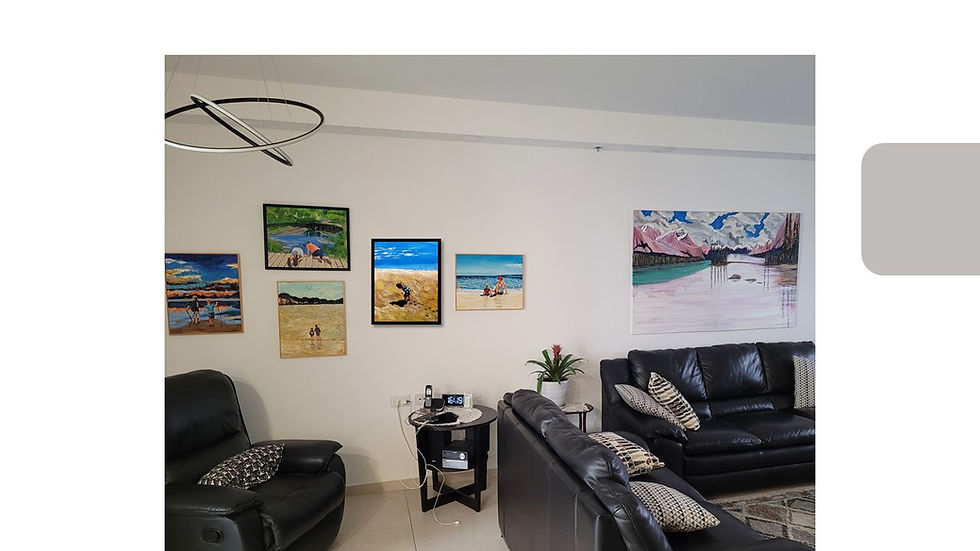
Consider Your Space: The environment where the painting will live matters. A vibrant, energetic piece might enliven a dull room, while a serene, muted work could bring peace to a busy space.
Size and Scale: Think about the dimensions. A small painting can be an intimate whisper on a wall, while a large one commands attention like a bold declaration.
Color Palette Harmony: Reflect on the colors in your room and how the painting’s hues will complement or contrast. Sometimes a splash of unexpected color breathes life into a space.
Story and Symbolism: Seek paintings that tell a story or carry symbols that resonate with your personal journey or values.
Choosing art is like choosing a companion for your walls - one that will share your moments, your silences, and your celebrations.
What are the 13 types of art?
Understanding the different types of art can deepen your appreciation and help you find the style that calls to you most clearly. Here are thirteen broad categories that encompass the vast world of artistic expression:
Painting - The classic medium of applying pigment to surfaces like canvas or wood.
Sculpture - Three-dimensional art carved, modeled, or assembled.
Drawing - Lines and marks on paper or other surfaces, often the foundation of other art forms.
Printmaking - Creating images through printing techniques like etching or lithography.
Photography - Capturing moments through the lens of a camera.
Ceramics - Art made from clay and hardened by heat.
Textile Arts - Weaving, embroidery, and fabric-based creations.
Performance Art - Live presentations combining various artistic elements.
Installation Art - Large-scale, often site-specific works that transform spaces.
10. Digital Art - Art created or manipulated through digital technology.
11. Mixed Media - Combining multiple materials and techniques in one piece.
12. Architecture - The art and science of designing buildings.
13. Film - Moving images that tell stories or evoke emotions.
Each type offers a unique language, a different way to converse with the world and with yourself. When choosing a painting, knowing where it fits in this spectrum can illuminate its essence.
The Dance of Light and Shadow: Finding Emotional Resonance
Art is not just decoration; it is a mirror reflecting our inner worlds. I often find myself drawn to paintings that capture the delicate interplay of light and shadow, as if they hold the secrets of human experience within their brushstrokes. When selecting a painting, I ask myself:
Does this piece invite me to pause and reflect?
Can I imagine it witnessing my quiet moments or celebrations?
Does it evoke a memory or a feeling I cherish?
Sometimes, the perfect painting is one that stirs a gentle ache or a hopeful spark. It becomes a silent companion, a keeper of stories and emotions.

Practical Steps to Bring Your Chosen Painting Home
Once your heart has found its match, the practicalities come into play. Here are some actionable steps to ensure your new artwork finds its rightful place:
Measure Your Space: Before purchasing, measure the wall or area where the painting will hang. This avoids surprises and ensures harmony.
Lighting Matters: Consider how natural and artificial light will interact with the painting. Some works reveal their true colors only under certain lighting.
Frame with Care: The frame can enhance or detract from the painting’s impact. Choose one that complements the artwork and your decor.
Trust Your Instincts: If possible, live with the painting for a few days in your mind’s eye. Imagine it in your space and how it makes you feel.
Ask Questions: Don’t hesitate to inquire about the artist’s inspiration, the painting’s story, or the techniques used. This deepens your connection.
By blending intuition with thoughtful planning, you create a space where art and life intertwine seamlessly.
Embracing the Journey of Art Discovery
Choosing the perfect art painting is a journey without a fixed destination. It is a continuous unfolding of discovery, emotion, and personal growth. Each painting you encounter is a doorway to new perspectives and feelings. As I have learned, the right painting does not just decorate a room - it transforms it, infusing it with meaning and soul.
In this dance between artist and admirer, between canvas and heart, we find not only beauty but also ourselves. So, take your time, listen to the whispers of color and form, and let your spirit guide you to the painting that feels like home.
May your walls tell stories of love, longing, and life - painted in hues that speak to your very being. And in that perfect piece, may you find a reflection of your own journey, a silent friend to walk beside you through the days to come.


Comments