

Proper Care Techniques for Your Art Paintings Preservation Tips
There is a quiet magic in the way a painting holds a story, a whisper of the artist’s soul captured in color and texture. Like a fragile poem written on canvas, each brushstroke demands gentle reverence. I have often found myself lost in the delicate dance of preserving these treasures, understanding that the care we give to our art paintings is a silent conversation with time itself. To nurture these pieces is to honor the emotions they evoke and the memories they carry. Let me share with you the tender art of preservation, where practical wisdom meets poetic reflection.
The Gentle Art of Preservation: Essential Tips for Your Paintings
Preserving a painting is like tending a garden of memories. It requires patience, attention, and a deep respect for the materials that breathe life into the artwork. Here are some essential tips that I have found invaluable in my journey:
Control the Environment: Paintings are sensitive to temperature and humidity. Ideally, keep the room temperature between 65-75°F and humidity around 40-55%. Fluctuations can cause the canvas to expand and contract, leading to cracks or warping.
Avoid Direct Sunlight: The sun’s rays are like a slow-burning fire to pigments. Even indirect sunlight can fade colors over time. Position your paintings away from windows or use UV-protective glass.
Handle with Care: When moving or cleaning, always use clean, dry hands or cotton gloves. Avoid touching the painted surface directly to prevent oils and dirt from damaging the paint.
Dust Regularly: Use a soft, natural-bristle brush or a microfiber cloth to gently remove dust. Never use water or cleaning solutions unless recommended by a professional conservator.
Frame Thoughtfully: A well-chosen frame not only enhances the painting’s beauty but also protects it from physical damage and environmental factors. Consider archival-quality materials and acid-free backing.
These steps are not just practical; they are acts of devotion. Each moment spent caring for a painting is a moment spent honoring the artist’s vision and the emotions woven into the canvas.

Understanding the Canvas: Materials and Their Needs
Every painting is a unique ecosystem of materials - canvas, wood, paper, pigments, and varnishes. Understanding these elements helps us tailor our care techniques:
Canvas Paintings: Often made from cotton or linen, canvases are prone to stretching and sagging. Keep them taut by avoiding excessive humidity. If sagging occurs, a professional can re-stretch the canvas.
Wood Panels: These are less flexible but vulnerable to warping and insect damage. Maintain stable humidity and inspect regularly for signs of deterioration.
Paper and Watercolors: Extremely delicate, these require framing under glass with acid-free mats to prevent yellowing and brittleness.
Oil Paints: Known for their durability, but they can become brittle or crack if exposed to extreme conditions.
Acrylics: More flexible and resistant to cracking but sensitive to heat and direct sunlight.
Knowing the nature of your painting’s materials is like learning the language of its soul. It allows you to respond with the right kind of care, preserving not just the image but the very essence of the work.
What are the 7 types of art?
Art, in its vast and varied forms, invites us to explore the many ways human creativity manifests. The seven classical types of art are:
Painting - The visual expression of ideas and emotions through pigments on surfaces.
Sculpture - The art of shaping materials into three-dimensional forms.
Architecture - The design and construction of buildings and structures.
Music - The auditory art of arranging sounds in time.
Literature - The written or spoken word crafted into stories, poems, and prose.
Dance - The movement of the body in rhythmic expression.
Cinema - The art of storytelling through moving images.
Each type holds its own preservation challenges and emotional resonance. For paintings, the tactile and visual elements demand a unique tenderness, a commitment to safeguarding the physical and emotional layers embedded within.
Practical Steps to Protect Your Art Painting from Environmental Threats
The world outside our walls is often unkind to delicate artworks. Dust, pollution, moisture, and pests all conspire to erode the beauty we cherish. Here are some practical steps I follow to shield my collection:
Use Climate Control Devices: Dehumidifiers and air purifiers help maintain a stable environment.
Install UV-Filtering Window Films: These reduce harmful light exposure without darkening the room.
Keep Paintings Away from Heat Sources: Radiators, fireplaces, and vents can cause uneven drying and damage.
Regular Inspections: Look for signs of mold, insect activity, or discoloration. Early detection is key.
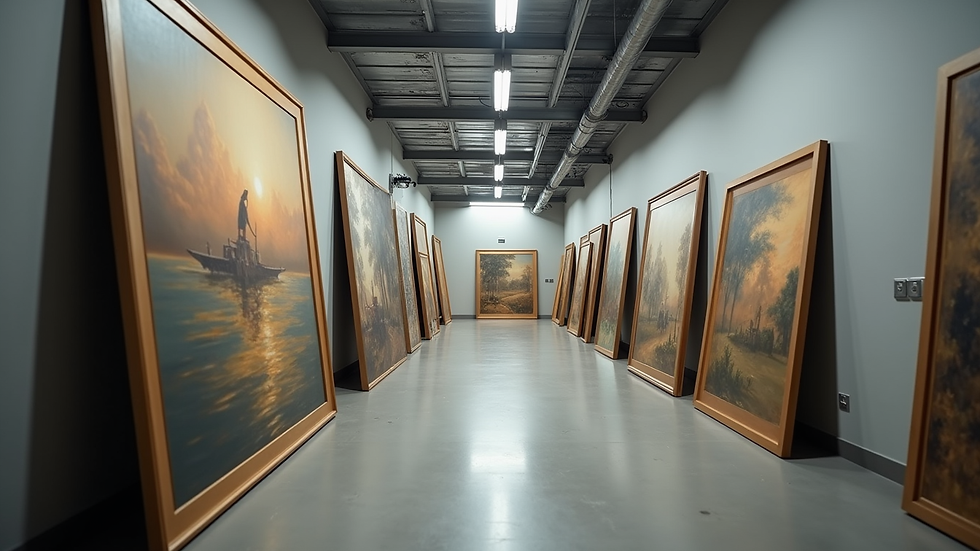
Safe Storage: When not on display, store paintings vertically in a cool, dry place with protective coverings.
These measures are like a protective embrace, a way to hold the artwork close and safe from the harshness of the outside world.
The Emotional Connection: Why Caring for Art is a Personal Journey
To care for a painting is to engage in a dialogue with the past and the present. Each piece carries stories of love, longing, and human experience. When I clean a canvas or adjust its frame, I feel a profound connection to the artist’s intent and the emotions that ripple through the colors.
This care is not merely technical; it is an act of love. It reminds me that art is not static but alive, breathing through the eyes of those who behold it. The preservation of a painting is, in essence, the preservation of a shared human story.
In this light, every brushstroke we protect becomes a verse in an ongoing poem, a testament to the enduring power of creativity and emotion.
Embracing the Legacy: Your Role in the Lifespan of Art
The stewardship of art is a sacred trust. By embracing proper care techniques, you become a guardian of beauty and memory. Whether your collection is small or vast, each painting deserves the same devotion.
Remember, the journey of preservation is ongoing. It invites us to slow down, to observe, and to cherish. In doing so, we ensure that the whispers of the past continue to inspire the hearts of the future.
May your care for your paintings be as gentle and profound as the stories they tell.
If you wish to explore more about the delicate world of art painting, I encourage you to immerse yourself in the emotional narratives that each original piece offers. The preservation of these treasures is a journey worth every moment.


Comments